
Solar Systems from the Leading Solar Company & Installers in Cape Town
Since 2010, Treetops has been designing and installing Solar and Battery Systems across Cape Town and the Western Cape — for over 600 Homeowners, Businesses, Schools and Farms, who had a problem to solve – and found the right people to solve it with.
Get a free quoteEnergy Independence is our Family Businesss
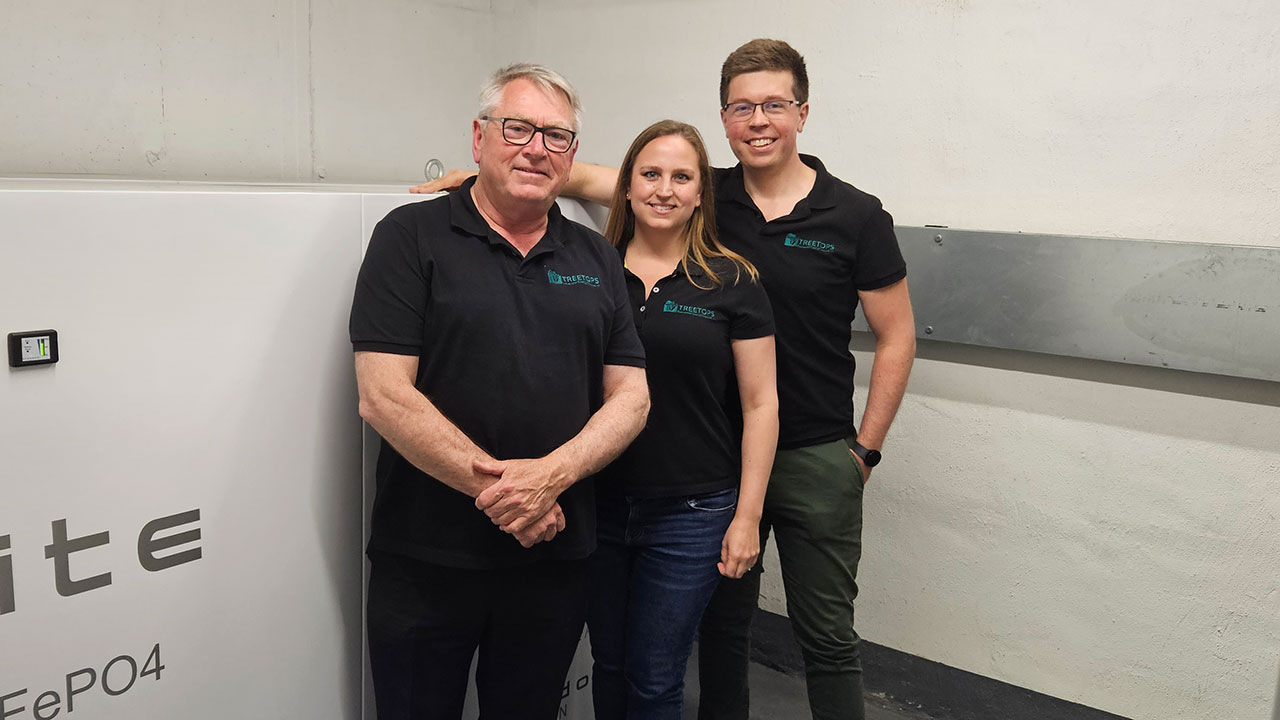
Treetops is run by a German–South African family team: Stefan Ortmann, Helen Ortmann and Martin Pollack.
We’ve been doing this since 2010 — long enough to have earned our place on projects approaching 1MWp, and small enough to still care deeply about the homeowner who just wants to stop dreading the electricity bill. Both matter to us equally. Always have.
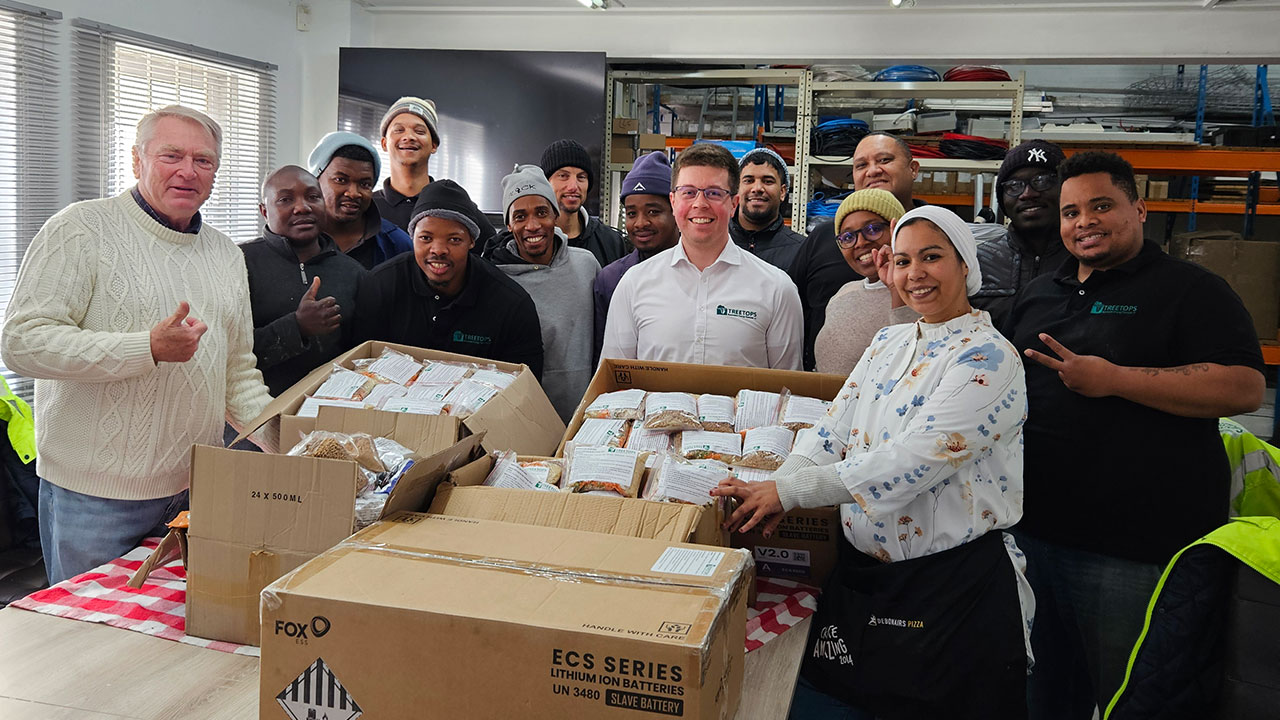
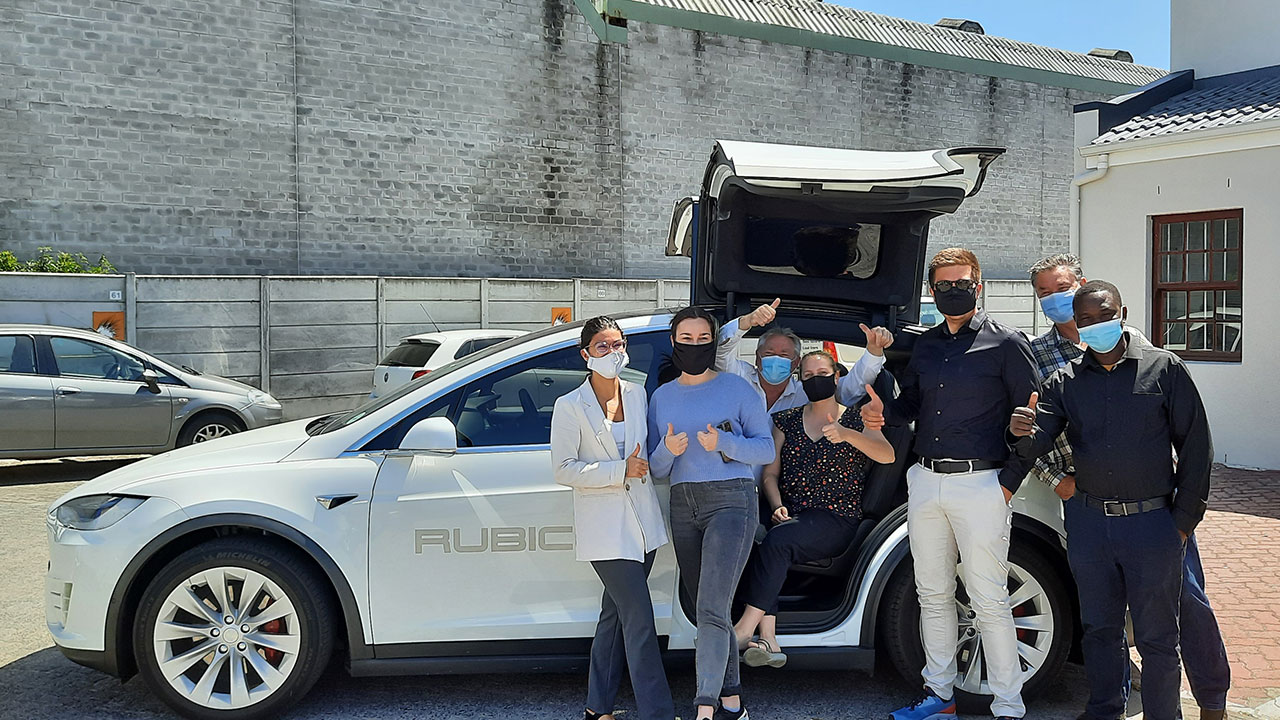
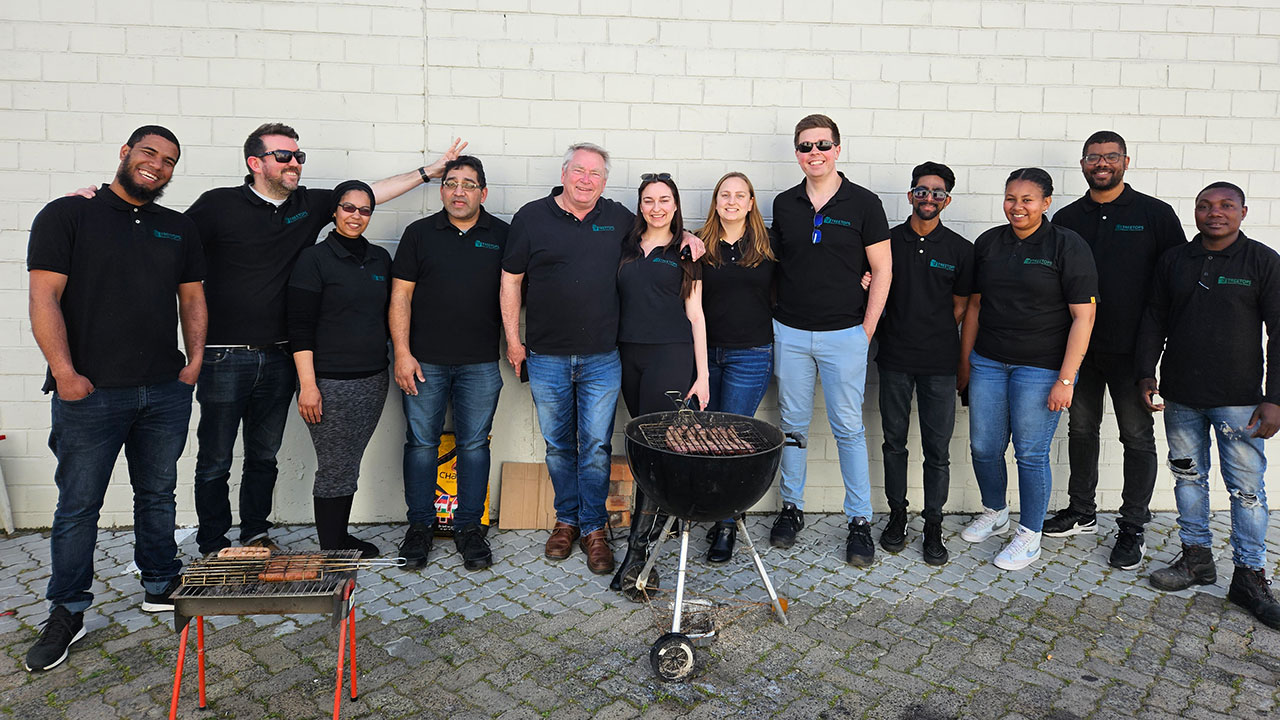
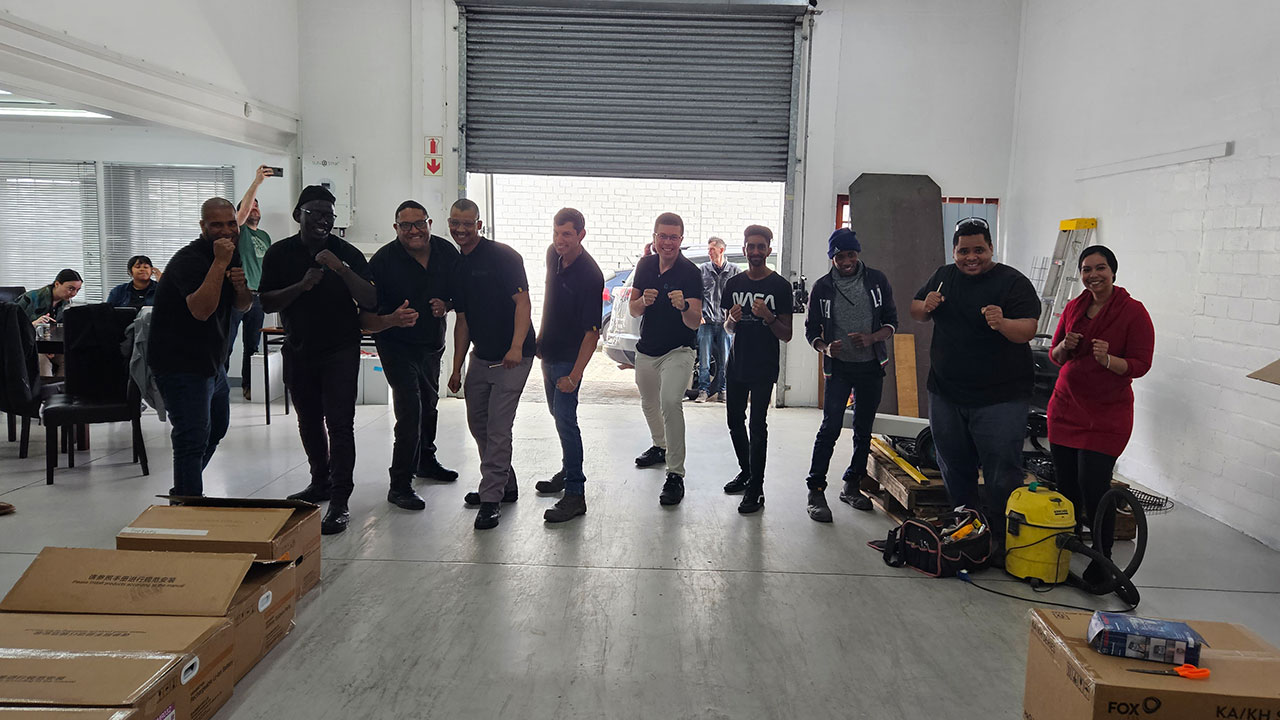
How a Treetops project works — from first call to long after handover
No surprises, no hand-offs to people you’ve never met. The same team that designs your system installs it — and stays involved after the switch is flipped.
We listen first
Your goals, your usage, your budget, your site. We don’t design anything until we properly understand what you actually need.
We design and show our work
A clear proposal — equipment, sizing, expected savings, timeline. You know exactly what you’re signing before you sign anything.
We plan it properly
Permits, logistics, scheduling — all locked down before anyone sets foot on your roof. No improvising on the day.
Installation and municipal registration
Our own qualified teams handle the roof and electrical work. Everything installed to compliance, registered with your municipality.
Commissioning and handover
We test everything, document it, and walk you through how your system works. You leave knowing what to expect — not hoping for the best.
We stay in the picture
Remote monitoring, proactive maintenance, and a team you can actually reach. Your system keeps performing — and you have someone to call if it doesn’t.
Not ready to call just yet? That’s completely fine — most people aren’t after a first look. Our design tools let you build a rough picture of your system in your own time, at your own pace. No commitment, no callback, no pressure.
How a Treetops project works — from first call to long after handover
No surprises, no hand-offs to people you’ve never met. The same team that designs your system installs it — and stays involved after the switch is flipped.
We listen first
Your goals, your usage, your budget, your site. We don’t design anything until we properly understand what you actually need.
We design and show our work
A clear proposal — equipment, sizing, expected savings, timeline. You know exactly what you’re signing before you sign anything.
We plan it properly
Permits, logistics, scheduling — all locked down before anyone sets foot on your roof. No improvising on the day.
Installation and municipal registration
Our own qualified teams handle the roof and electrical work. Everything installed to compliance, registered with your municipality.
Commissioning and handover
We test everything, document it, and walk you through how your system works. You leave knowing what to expect — not hoping for the best.
We stay in the picture
Remote monitoring, proactive maintenance, and a team you can actually reach. Your system keeps performing — and you have someone to call if it doesn’t.
Not ready to call just yet? That’s completely fine — most people aren’t after a first look. Our design tools let you build a rough picture of your system in your own time, at your own pace. No commitment, no callback, no pressure.
The numbers behind 16 years as one of Cape Town’s leading solar company.
 Years of excellence and experience
16
Years of excellence and experience
16
 kWp of solar panels installed
10,000+
kWp of solar panels installed
10,000+
 kWh of lithium batteries installed
15,000+
kWh of lithium batteries installed
15,000+
 Residential & commercial solar systems
600+
Residential & commercial solar systems
600+
 5-star Online reviews
100+
5-star Online reviews
100+
 Average Online Rating and customer satisfaction
4.9 out of 5
Average Online Rating and customer satisfaction
4.9 out of 5

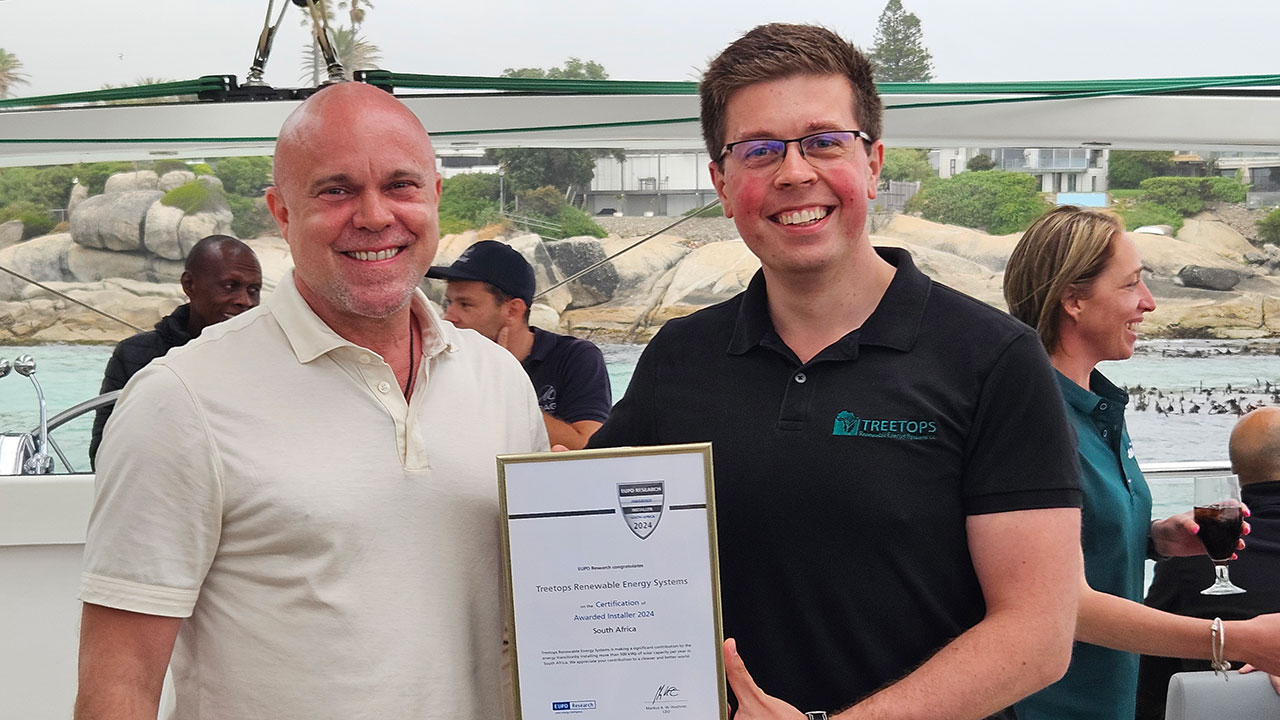
Awarded as one of the Top 10 Solar Companies in South Africa
Since 2010, we’ve built a reputation on the projects other companies find complicated — from large-scale solar and battery systems for businesses and institutions, to home installations where the family is counting on the system to just work, every day. Our in-house installers and engineers handle everything from design to commissioning, so nothing gets lost between the people who plan the job and the people who show up on your roof.
Signature Projects
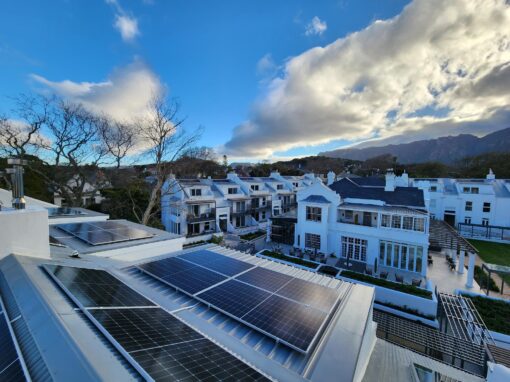
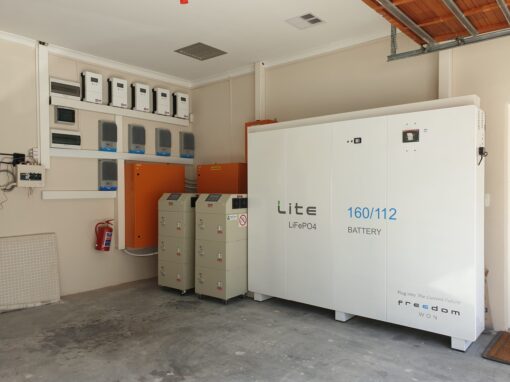
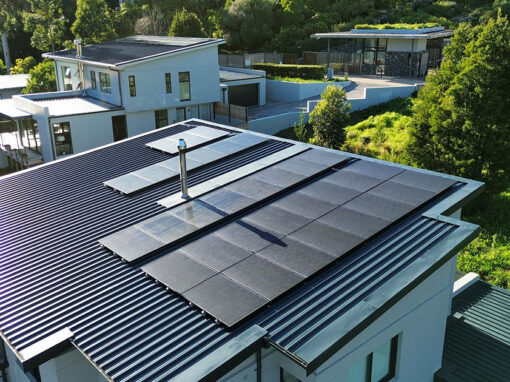
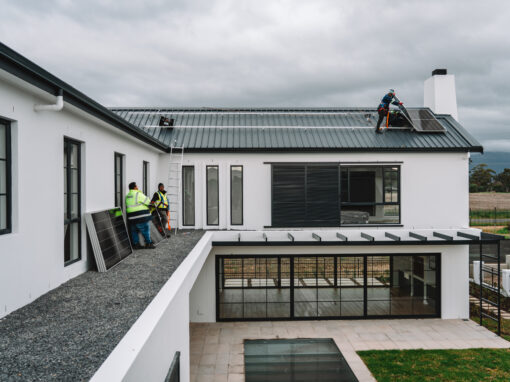


Every project we execute gets 100% of our capabilities and effort. But some push further than others — past the point where standard solutions apply, into territory where you have to truly understand what a client needs and what technology can actually deliver.
These are those projects. High-end residential systems carrying over 100kWh of battery storage and tackling electricity bills as high as R75,000 per month. Schools, retirement complexes, wine farms, veterinary clinics, and pharmaceutical facilities with sensitive laboratory equipment that cannot afford an interruption.
On the commercial side: a 744kWp grid-tied system for a shopping centre across two tie-in points, a 212kWp system with 400kWh BESS for Rustenburg Girls’ High School — the largest SolarEdge battery installation in the Western Cape — and our current flagship: 800kWp of solar panels with 1.7MWh of battery storage for Pathcare’s N1 campus, where we consolidated two separate supplies into one integrated installation across the 2 remaining supply points.
There are many more – but if you read this far, the question is not anymore about what we have done. The question is: What are we going to do for you?
Which solar system is right for you?
Every system we build starts with one question — what do you actually need? Budget, usage, goals, and future plans all shape the answer. Here’s how we think about the four main categories.
And don’t worry about over-speccing. Once electricity is free and abundant, you’ll find plenty of good use for it — air conditioning, pool heating, electric vehicles. Our clients always do.
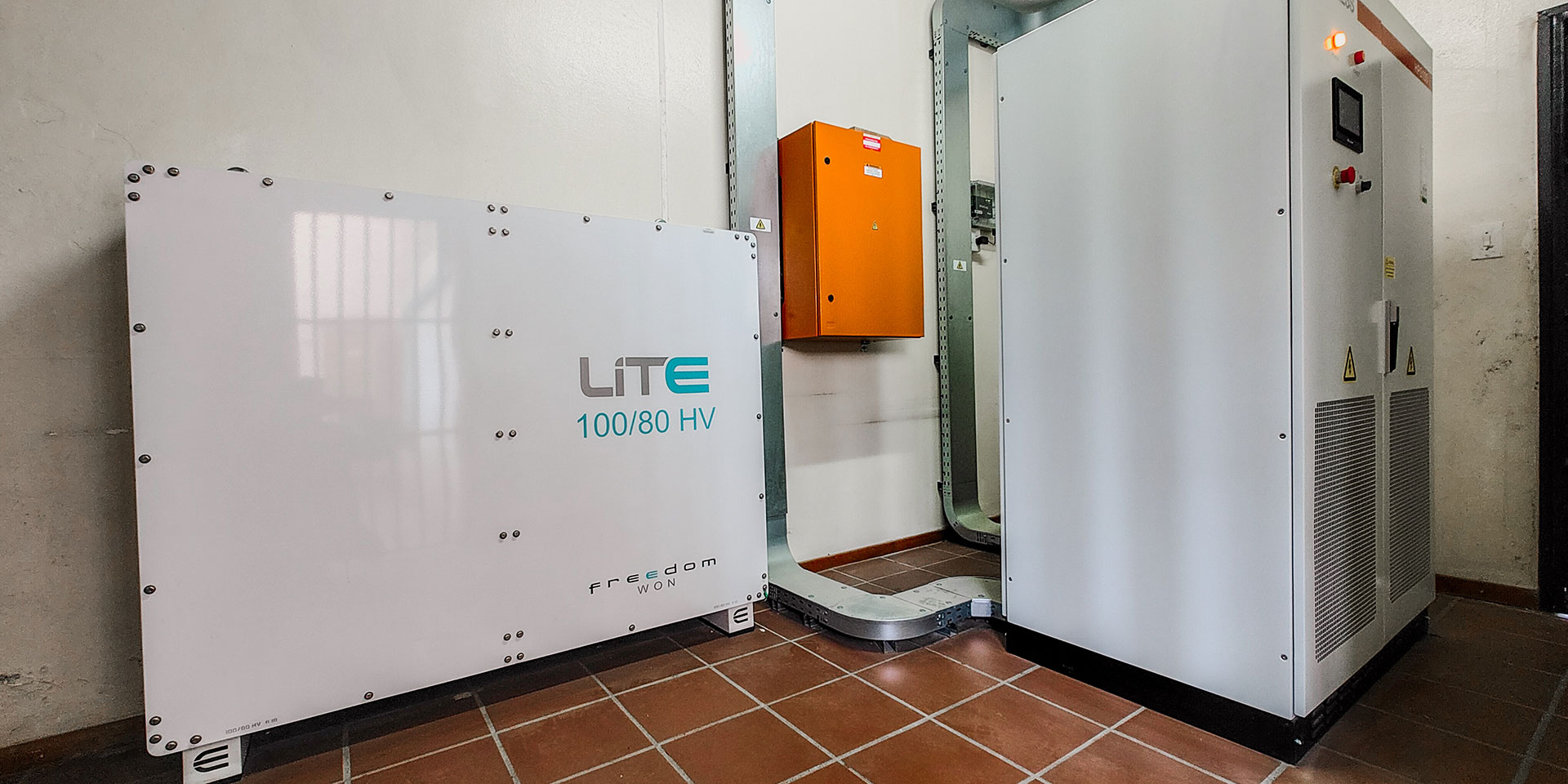
Residential Solar with Battery Storage
The most popular choice — and for good reason. Generate your own power during the day, store what you don’t use, and run your home at night and through load-shedding without touching the grid. Your electricity bill shrinks. Your household keeps running. Finance and rent-to-own options available so the savings start from year one.
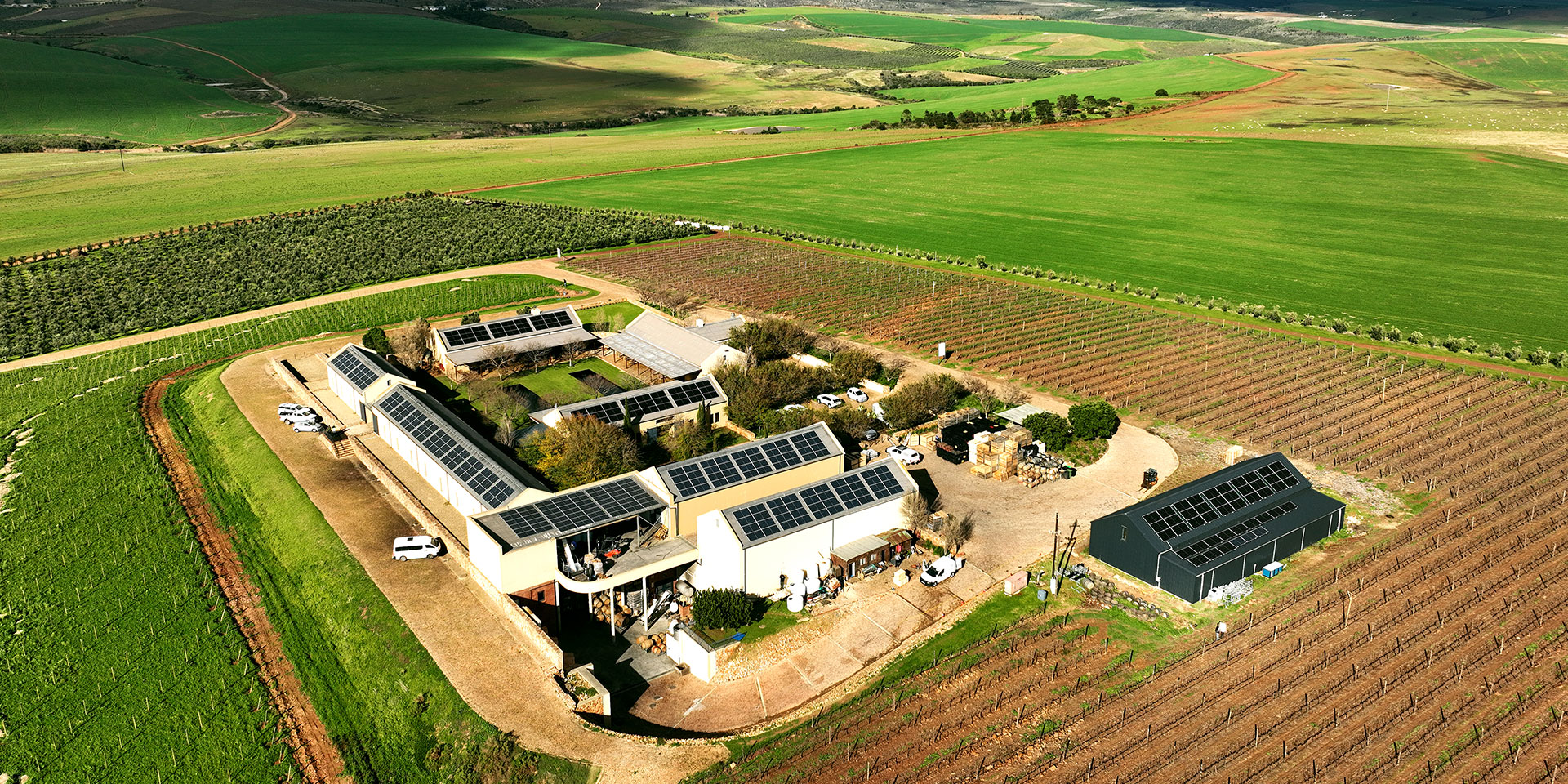
Agricultural Solar
Farms run on reliable power — and the grid increasingly isn’t that. Whether it’s irrigation pumps, cold storage, or processing facilities, we design systems around how your operation actually works. Ground mounts, barn installations, pivot irrigation — custom-built for your site, sized for your consumption, and insulated from whatever Eskom does next.

Solar for Schools
Load-shedding in a classroom is more than an inconvenience — it disrupts learning, kills productivity, and drains budgets through wasted hours and diesel costs. A well-designed solar and battery system keeps the lights on, the computers running, and the security systems active. It also sends a message to students and the community about where the school stands on sustainability.

Commercial and Industrial Solar
Most businesses run during the day — which is exactly when solar produces. That alignment is powerful. Cover the majority of your daytime electricity demand with panels, sell surplus back to the grid where applicable, and add battery storage to protect against outages and reduce peak tariff exposure. Zero-capex finance and PPAs available for qualifying businesses — meaning the system can pay for itself from day one.
Don’t take our word for it.
Average Google rating 4.9★ — a few highlights from homeowners and businesses.
“They kept us informed from start to finish and exceeded expectations in every way.”
“Professional, friendly, knowledgeable — results exceeded expectation.”
“Still here years later with great after-sales. You can rely on Treetops.”
“Seamless process from proposal to handover. Premium service all round.”
“Outstanding support even years later — 7-star service!”
Our recent Projects

134kWp Solar + 400kWh Battery for Wytham Estate Retirement Village
Wytham Estate — 134kWp Solar with 400kWh Battery Storage for a Luxury Retirement Estate in…

Spookfontein Wine Farm – Hemel en Aarde – Phase 1
44kWp Solar System with 60kWh BESS for Spookfontein Wine Farm in Hemel-en-Aarde A lot of sunshine…

Constantia Residence – 35kWp Solar System with 160kWh Battery Storage
35kWp Solar System with 160kWh Lithium Battery in Constantia Residence This is certainly one of…
The questions most people ask before they call us.
For homeowners
What does a solar system cost in Cape Town?
Most homes need around 5kWp of solar panels. Paired with a quality 10kWh battery, that comfortably handles a monthly electricity bill up to R2,000 — and starts from around R100,000 installed. Larger homes, higher bills, or the need for full backup will push that up, but it’s a solid starting point for most households. Roof type also plays a role — metal roofs are faster and cheaper to work on than tiles.
As one of the longest-established solar installers in Cape Town, we’ve seen every roof type and every budget — and we’ll tell you honestly what makes sense for yours.
What is the difference between low-voltage and high-voltage lithium batteries — and why does it matter?
When lithium batteries first entered the solar market, most systems were designed around low-voltage (LV) technology — largely because that’s what the industry was used to from the lead-acid era. It was a familiar starting point, but not necessarily the best one. High-voltage (HV) lithium batteries operate at significantly higher voltages — typically 300V and above — which means less energy is lost in conversion, the system runs more efficiently, and the components throughout the installation can be smaller and better matched. In practical terms: more of the energy your panels generate actually reaches your home or business. HV systems also scale better, integrate more cleanly with modern hybrid inverters, and carry stronger long-term performance credentials. Safety and thermal management are better handled at higher voltages with quality components. We moved away from low-voltage lithium entirely for new installations. Not because LV doesn’t work — we still service and support existing LV sites — but because HV is simply the better solution for anyone starting fresh today. When we design a new system, we’re not going to recommend yesterday’s technology just because it’s cheaper to procure.
How much solar power do I need in Cape Town?
In Cape Town, 1 kWp of solar panels produces roughly 1,400–1,700 kWh per year — one of the best yields in the world thanks to our sunshine hours. Most households land between 3–10 kWp depending on usage, with 5 kWp being a solid starting point for an average home. The right size depends on your actual consumption, your roof, and whether you’re pairing panels with battery storage. That’s exactly what we work out together during a consultation — no guesswork, no oversizing to inflate a sale.
Can a solar system keep my home running during load-shedding?
Yes — a hybrid system with battery storage switches over seamlessly the moment the grid goes down. No flicker, no interruption, no manually switching anything on. Most of our clients stop checking the load-shedding schedule within a week of switching on.
Are lithium batteries better than lead-acid?
Yes — and the numbers explain why. Lithium batteries are around 95% efficient, allow up to 80% depth of discharge, and last significantly longer under daily cycling. Lead-acid batteries lose 30–50% of their energy in conversion and should only be discharged to around 30% to protect their lifespan. In practice, you need far fewer lithium batteries to do the same job — which offsets the higher upfront cost quickly. We’ve used lithium exclusively for years. There’s no real competition anymore.
What happens to my solar system in winter or on cloudy days?
It keeps working — just at reduced output. Cape Town winters are mild compared to most of the world, and even overcast days produce meaningful solar generation. A well-sized system accounts for seasonal variation, so your battery still charges during the day and carries you through the night. The honest answer is that your system will cover less of your bill in June than in December — but it won’t stop working, and the gap is smaller than most people expect. We size every system with Cape Town’s seasonal patterns in mind, not just the sunny days.
Can I add batteries to my existing solar system?
Often yes — but it depends on your current setup. Some inverters support battery integration directly. Others need to be replaced or supplemented with additional equipment. The good news is that retrofitting batteries to an existing solar system has become much more straightforward as technology has improved. We assess your current system, tell you honestly what’s possible and what it will cost, and design the upgrade around your existing installation rather than starting from scratch. If you have panels already and want to add storage, it’s worth a conversation.
How long does a solar installation take?
For a typical home installation, from signed proposal to switch-on is usually 2–6 weeks, depending on how busy we are. That includes permits, scheduling, and municipal registration. Commercial projects take longer depending on scale and complexity — we’ll give you a realistic timeline during the design phase, and we stick to it.
How long will my solar system last?
Longer than it takes to pay for itself — by a wide margin. Most systems pay back their investment in under 5 years. The shortest warranties on the system — inverters and batteries — are 10 years. Solar panels carry a 25-year performance warranty. You’re not buying an appliance. You’re making a long-term investment that keeps delivering long after the initial cost is recovered.
Do I need permission from the municipality to install solar?
Yes — and anyone telling you otherwise is cutting corners you’ll regret later. In Cape Town and most Western Cape municipalities, a grid-tied solar system needs to be registered as a Small-Scale Embedded Generation (SSEG) installation. This involves electrical compliance certification, municipal approval, and in many cases a meter change. It sounds like admin — and it is — but it’s also what protects your system, your insurance, and your right to feed surplus energy back to the grid. We handle the entire process as part of every installation. You don’t need to speak to a single official.
What is SSEG and do I need it?
SSEG stands for Small-Scale Embedded Generation — it’s the official framework that allows homes and businesses to generate their own electricity and connect it to the municipal grid. In Cape Town, Treetops played a direct role in developing the original SSEG rules and tariffs alongside the City of Cape Town back in 2010. So yes — we know this process inside out. If your system is grid-tied, you need SSEG registration. It’s not optional, and it’s what gives you the legal right to export surplus power and receive credit for it. We manage the full application and registration on your behalf.
For businesses
Can a solar system keep my business running during load-shedding?
Yes — and for a business, the case is even stronger than for a home. Every hour of load-shedding has a direct cost — lost productivity, stopped production, unhappy customers. A hybrid solar and battery system eliminates that exposure entirely. Your operations keep running, your staff keep working, and load-shedding becomes someone else’s problem.
Do you offer solar system finance for businesses?
Yes — and there are several models depending on your situation. Short-term asset finance from 3 years suits businesses that want to own the system quickly and maximise long-term savings. For businesses that prefer zero capital outlay, we offer Power Purchase Agreements from 10 to 25 years — you pay only for the electricity the system produces, at a rate below your current municipal tariff. Some PPA structures can even include battery storage. We’ll work through the options with you and recommend what makes the most financial sense for your specific operation.
What is a PPA and how does it work?
A Power Purchase Agreement is a finance model where you don’t buy the solar system — you buy the electricity it produces, at a fixed rate lower than what the municipality charges. A third party owns and maintains the system on your roof. You simply pay for the units you consume, at a rate as low as R1/kWh, for the duration of the agreement — usually 10 to 25 years. It means zero capital outlay, no maintenance responsibility, and immediate savings from day one. It’s particularly well-suited to commercial and industrial clients with high daytime electricity consumption. Not every business qualifies — there’s a vetting process — but for those that do, it’s one of the most financially compelling ways to go solar.
What return on investment can I expect from a commercial solar system?
Most commercial systems deliver a return of 20% or more (incl BESS) or over 40% (no BESS) in the first year — and that figure grows as electricity tariffs increase. With Eskom and municipal tariffs historically escalating at well above inflation, every year that passes makes the investment look better in hindsight. We model the full 25-year financial picture for every commercial client before a proposal is signed, so you know exactly what to expect.
How do I know what size system my business needs?
We start with up to 12 months of your electricity bills. That tells us your consumption patterns, your peak demand, and how your usage shifts across seasons and times of day. From there we design a system sized to your actual operation — not a generic recommendation. A factory running heavy machinery during the day needs a very different system to an office block or a cold storage facility. Getting the sizing right upfront is what determines whether your investment performs the way it should.
What happens if something goes wrong with the system?
We monitor every system we install remotely — which means we often know about a fault before you do. If something needs attention, we respond. You’re not logging a ticket with a call centre or waiting for a manufacturer’s warranty claim to process. We’re a Cape Town-based team and your system is our responsibility long after the installation is complete. That’s not a policy — it’s just how we operate.
What about businesses with multiple buildings or sites?
We’ve designed and built systems across multiple tie-in points on a single property — Pathcare’s N1 campus is a good example, where we consolidated two separate supplies into one integrated solar and battery installation. Multi-site projects require more detailed planning but the principles are the same. If you have more than one building or more than one electricity account, that’s a conversation worth having.
Can solar work for my business if I rent the building?
Sometimes yes — it depends on your lease arrangement and your landlord’s willingness to engage. In some cases the landlord actually benefits from the installation increasing the property’s value, which opens the door to a conversation. PPA structures can also make this easier since the system is owned by a third party rather than the tenant or the landlord. It’s worth exploring — we’ve made it work in situations that initially seemed complicated.
Get a free assessment and quote
Consultation by appointment only. We’ll assess your needs and design a tailored solution.
Live your life without worrying if the power is on.